Megalithpark Osterberg
No photos yet
Description
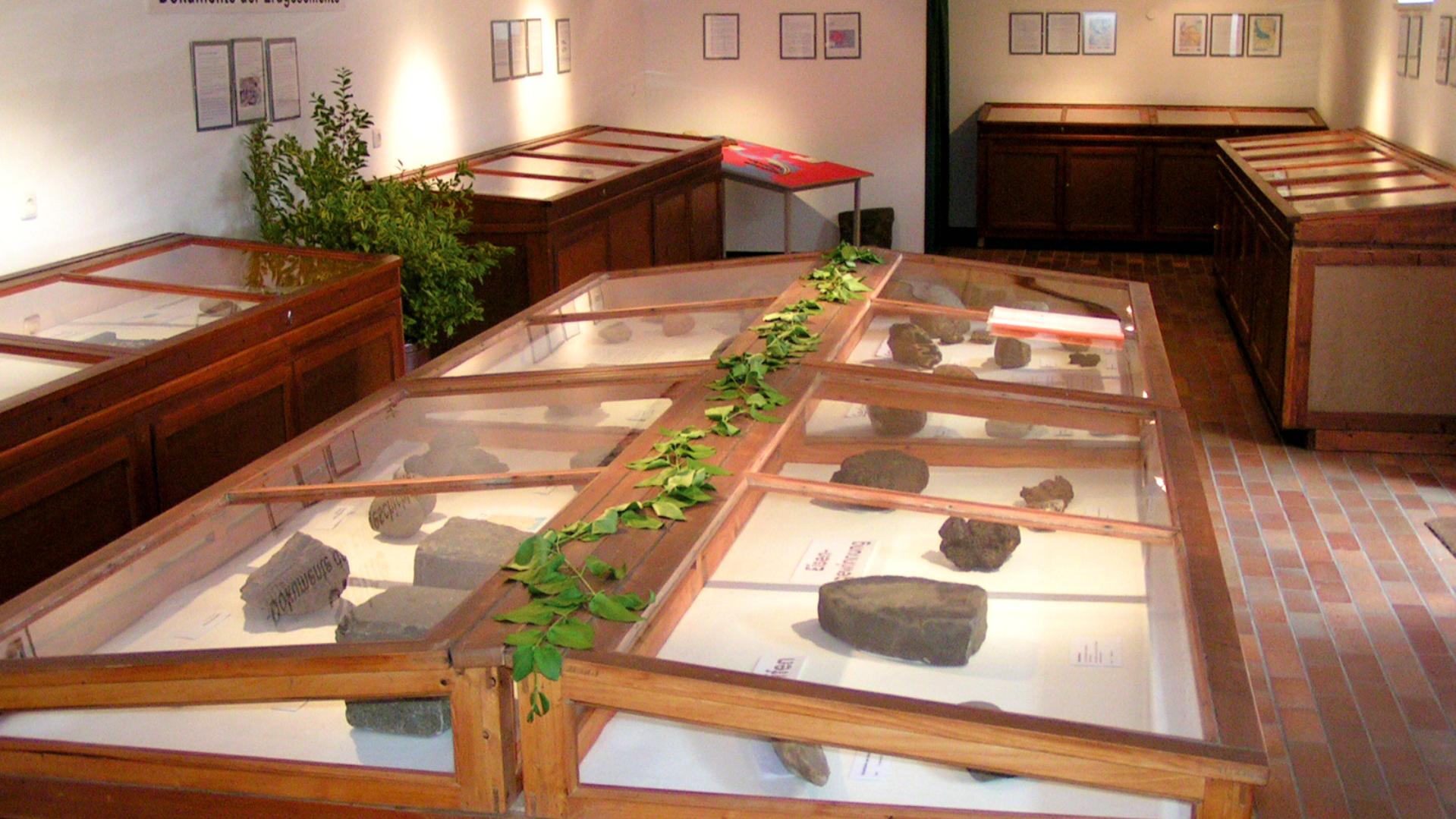
Large erratic boulders reveal, through their material, outer shape, or internal structure, the processes that formed and shaped them. The material displayed here was carried from Scandinavia to northern Germany by glaciers, together with unimaginable quantities of gravel, sand, and clay. These boulders are therefore witnesses to a geological process that shaped our landscape about 200,000 years ago. During transport, the carried material was rounded, ground, scratched, and reduced in size. After the ice masses melted, exposed boulders were polished by the wind in a manner similar to sandblasting. Particularly characteristic indicator boulders make it possible to reconstruct the source areas and flow directions of the glaciers.
Also on display are erratics that show signs of human working. Once people settled down, they increasingly used erratics as building material. Not only megalithic tombs, but also bridge piers, sill stones for half-timbered buildings, walls, gravestones, gateposts, and even the mausoleums of Quintus-Icilius and Friedrich Schmidt on the Osterberg were made from this material. Proper splitting was carried out with chisels, wedges, or round chisels, and black powder.
The cult stones on display are mostly assigned to the Bronze Age.
Loyalty is coming to Megalithpark Osterberg
Soon you'll collect stamps and unlock rewards at the places you love — right inside Yayando. Want a heads-up when it goes live?
Details can change — please confirm important info with the venue.